A special project created with the support of the Jewish news portal · We sincerely love Azerbaijan — our Homeland, its people, culture, history and unique diversity.
Aghdam
RUAZENHE
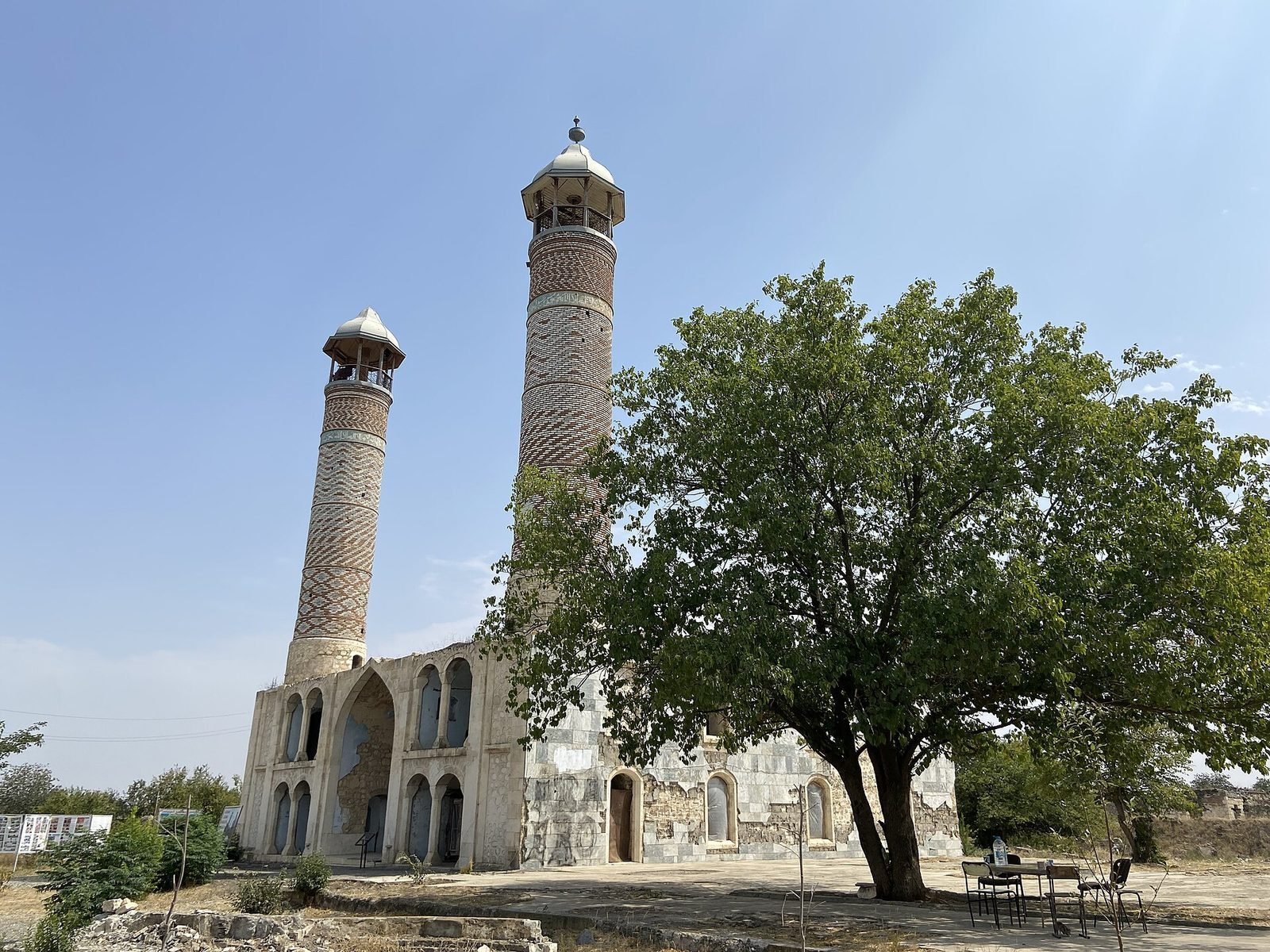
Джума-мечеть Агдама среди руин города
OnceSilenceReturn

AghdamThe city that was wiped off the map — and came back to life

Once a flourishing cultural centre of Karabakh. For twenty-eight years, silent ruins — the “Hiroshima of the Caucasus”. Today, a construction site of return.

Scroll

About the city

One silhouette outlived it all: the mosque’s minaret above a sea of ruins.

Aghdam is a city in western Azerbaijan, at the foot of the Karabakh range. Before the war it was a major economic and cultural centre of the region: a theatre, museums, factories, a racecourse and around thirty thousand residents.

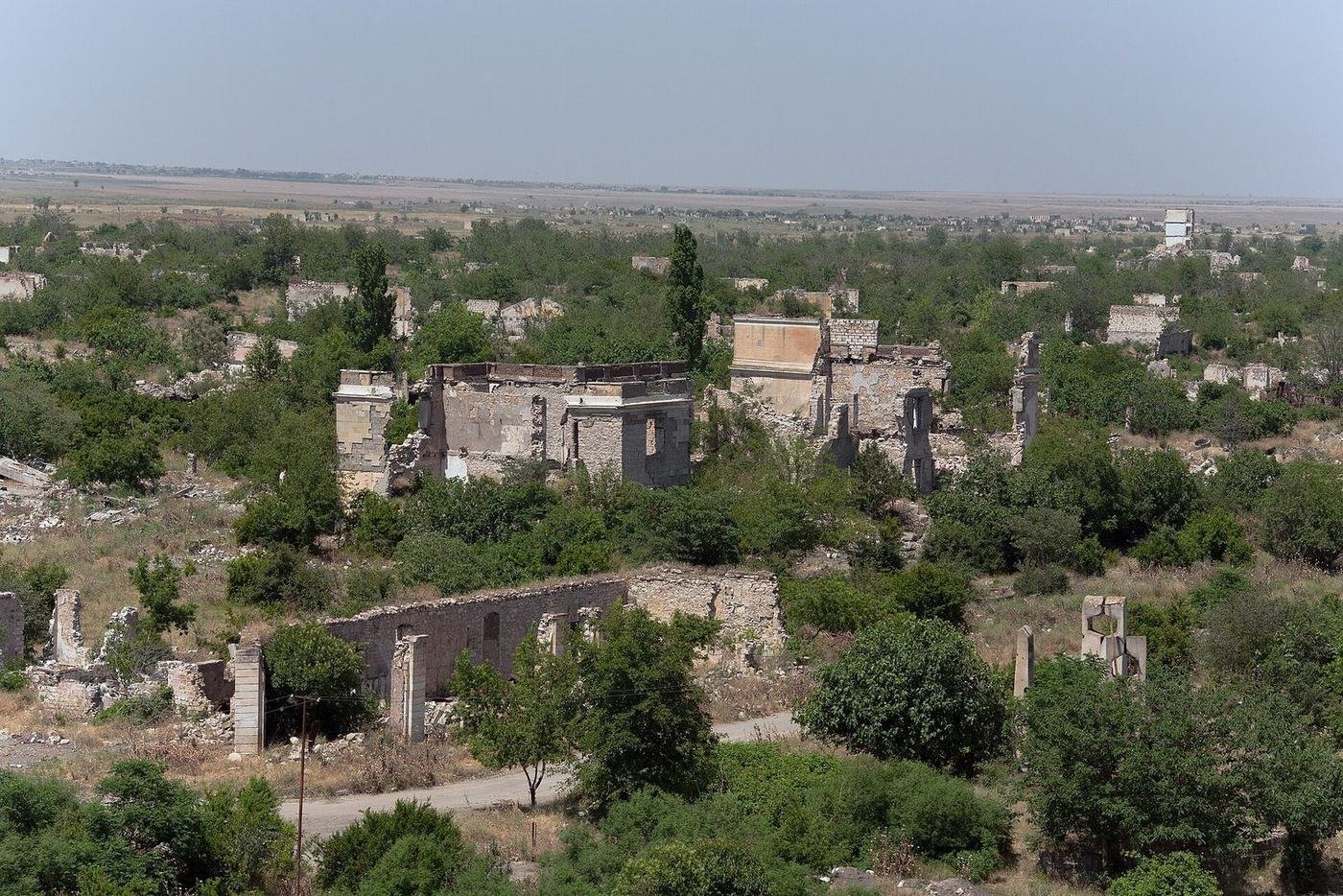
In July 1993, during the First Karabakh War, the city was seized and its population fled. In the years that followed Aghdam was methodically destroyed and looted — it became a ghost town that journalists called the “Hiroshima of the Caucasus”.

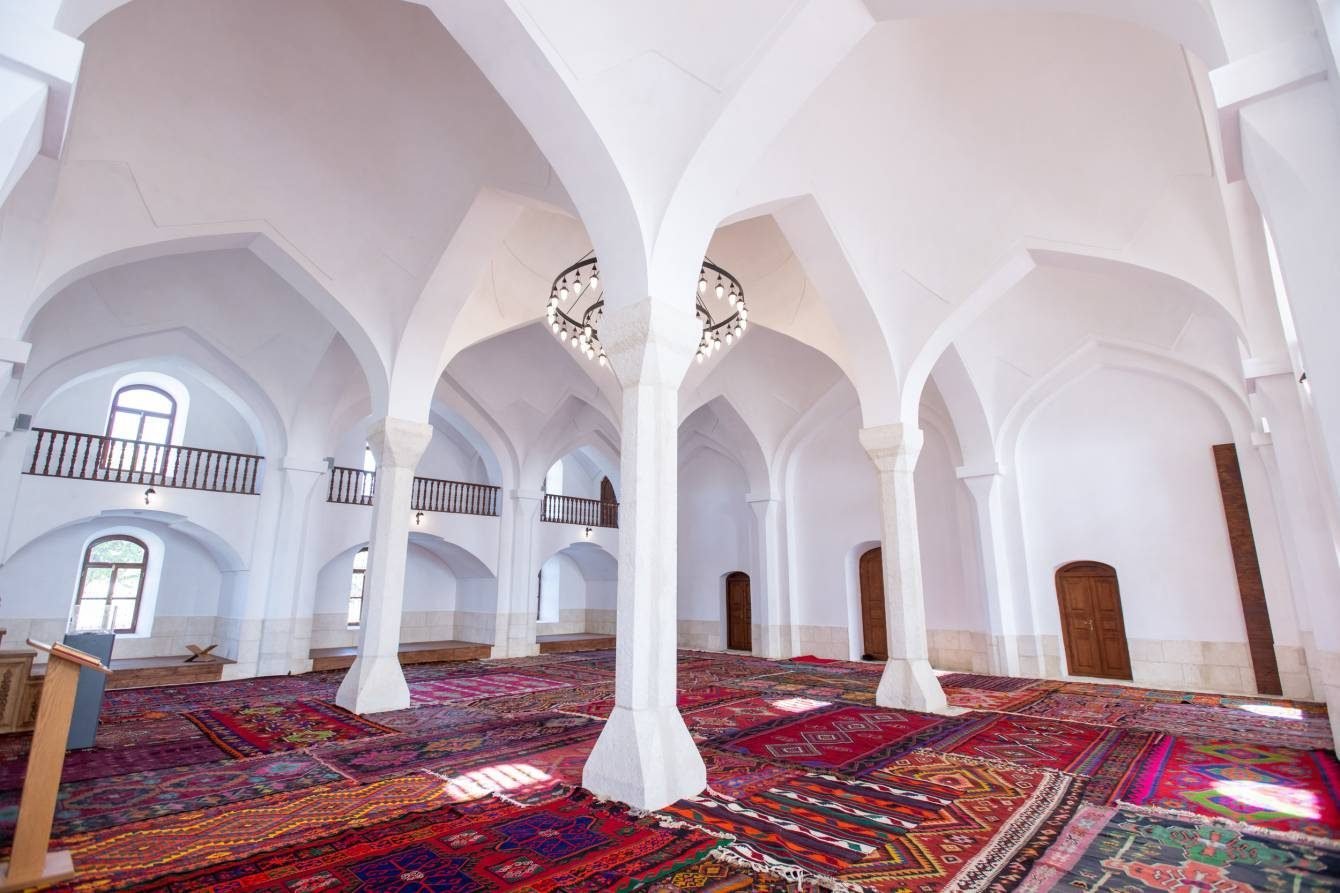
In November 2020 the Aghdam district returned under Azerbaijani control. Reconstruction began: a master plan, a “smart city”, restoration of the surviving Juma Mosque, and the first steps toward people coming home.

In brief

Three dates, one fate
~28,000residents before the war
1993the year the city was abandoned
28years in ruins and desolation
2020the year of return and rebuilding
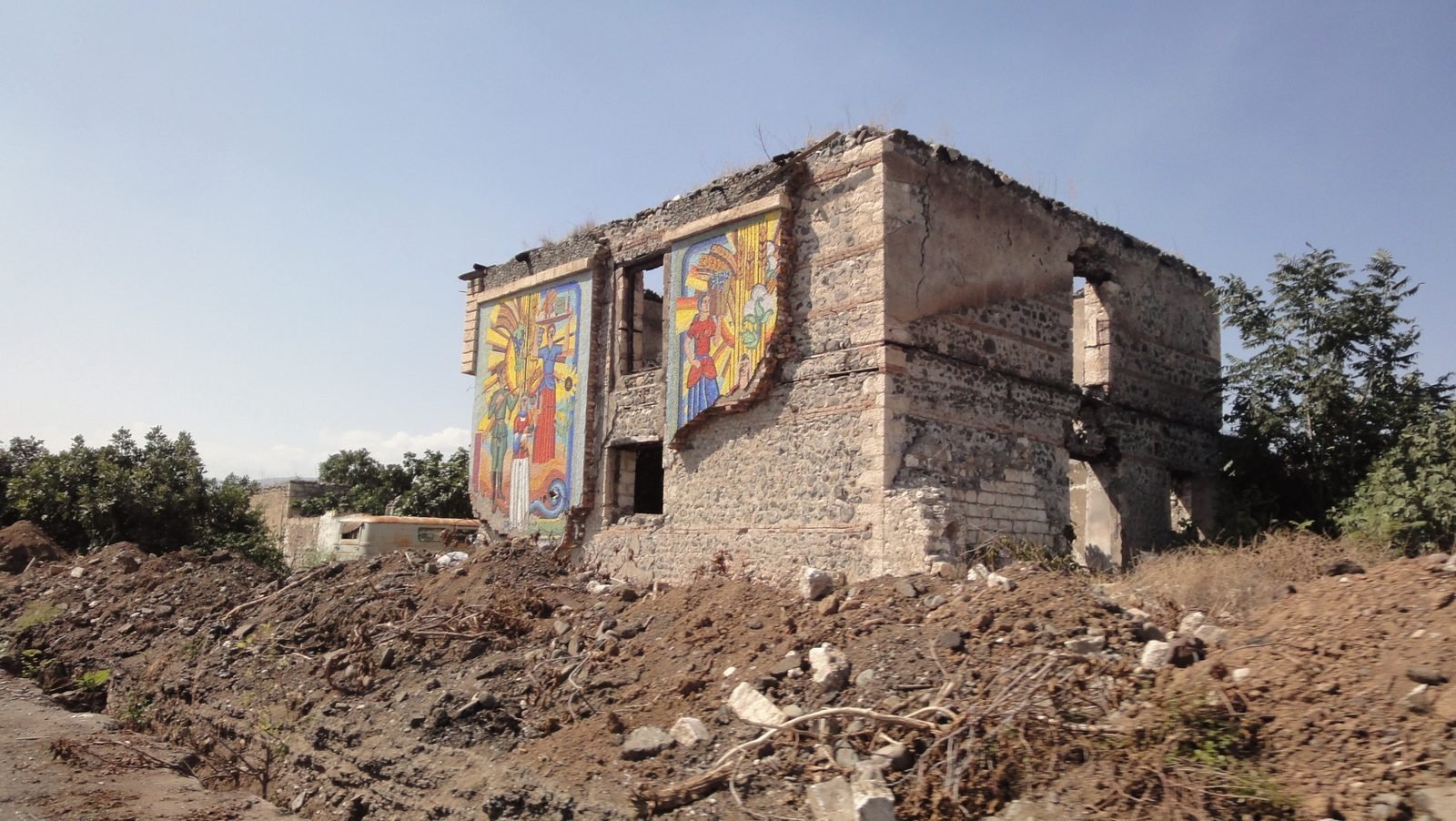
Музей хлеба — культурная гордость АгдамаBefore 1993

Once

The cultural capital of Karabakh

Aghdam was a city of theatre and music, known far beyond the region. It had a one-of-a-kind Bread Museum, a drama theatre, a 19th-century mosque and a famous racecourse where Karabakh horses were bred.

Roads and a railway line ran through the city; it was the trading heart of a fertile valley. Life was in full swing — until the summer of 1993.

History of the city →

Silence

Twenty-eight years of silence

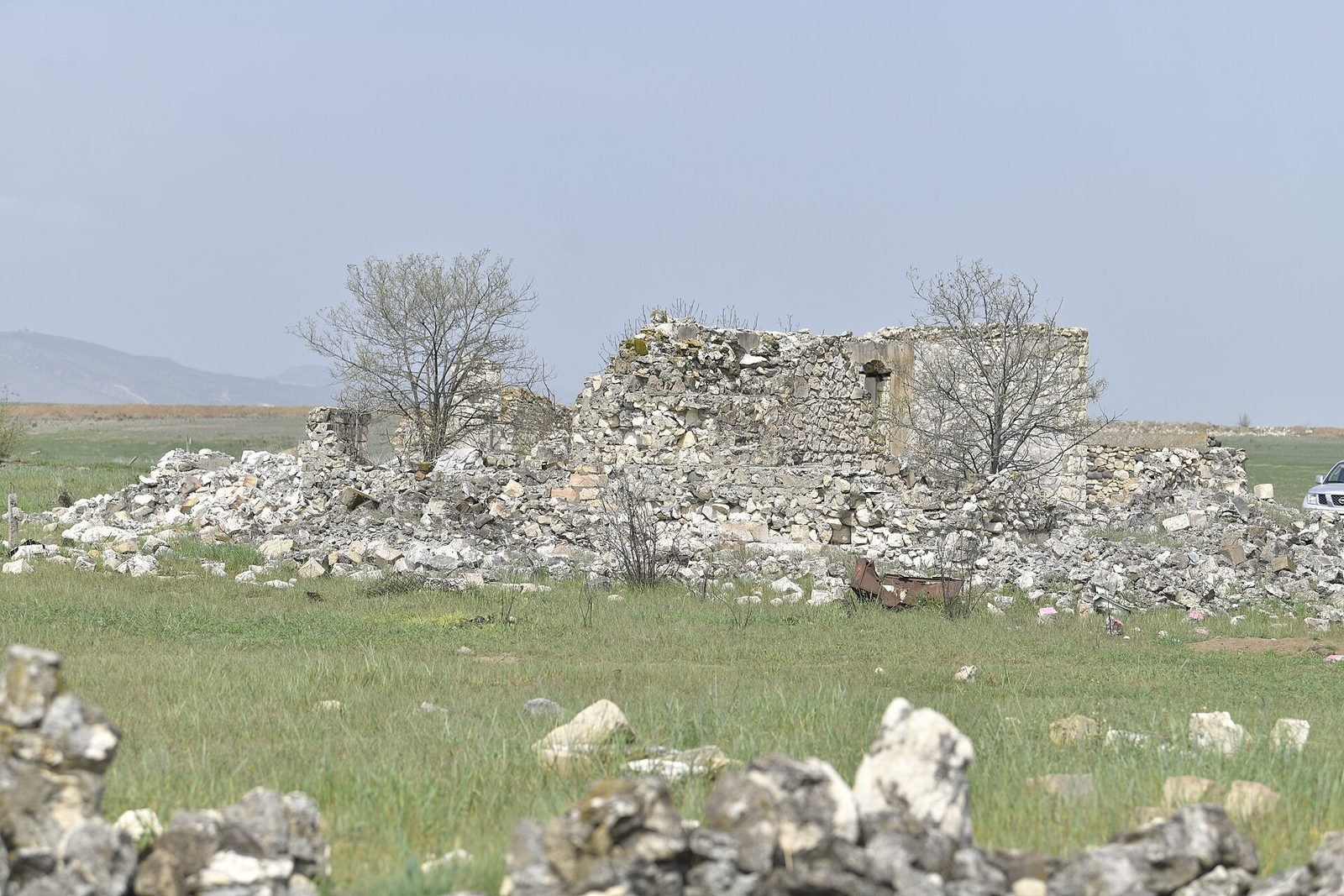
After 1993 Aghdam emptied. Houses were stripped for bricks and metal, and over the years of occupation almost nothing was left of the city — its quarters turned into fields of broken stone overgrown with grass.

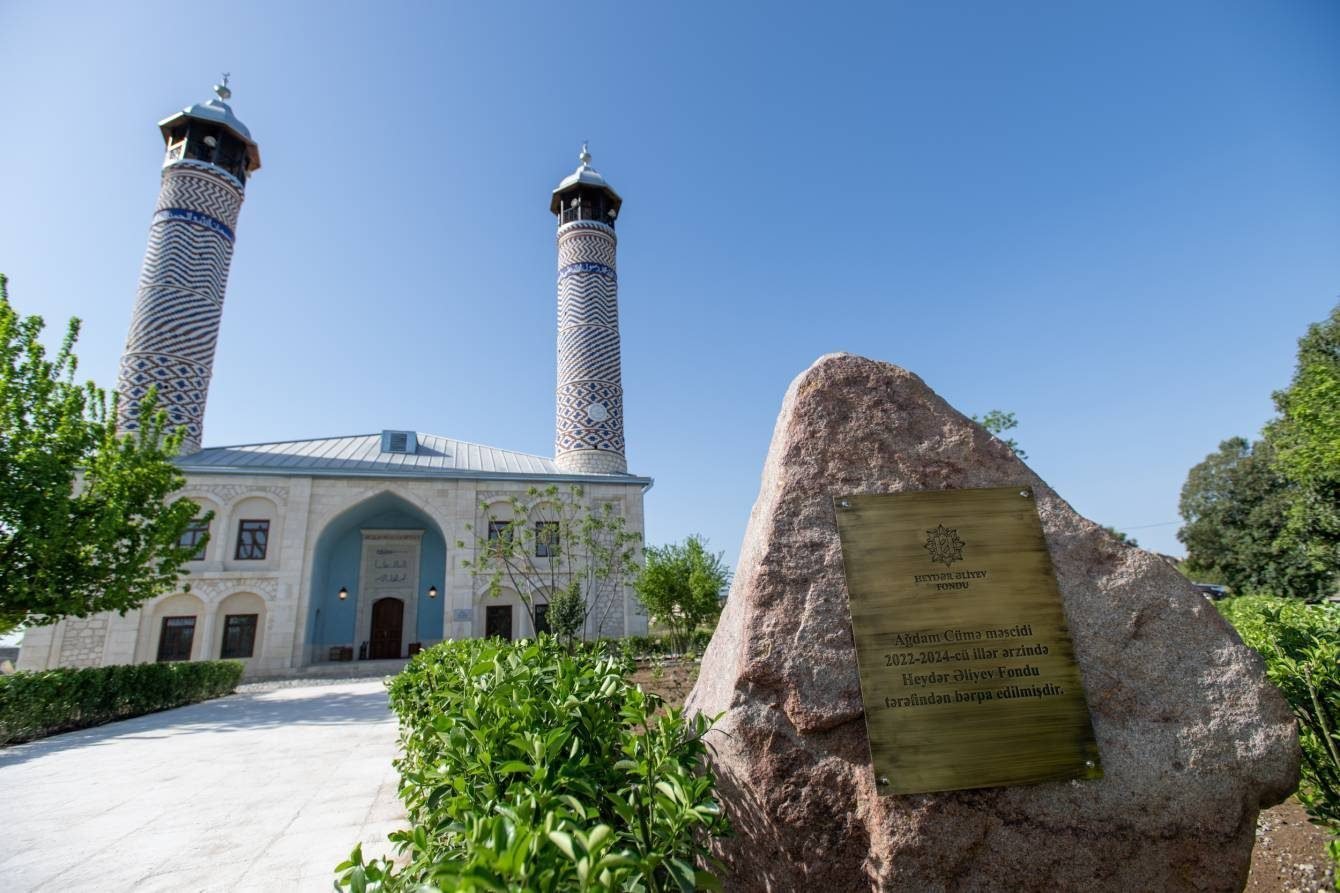
Above this sea of ruins the silhouette of the Juma Mosque stood alone. The building survived, though it was desecrated — cattle were kept inside. Its minaret became the symbol of a city that refused to vanish entirely.
1993–2020years of desolation
“Hiroshima”of the Caucasus — as the city was called
1surviving landmark — the mosque

The ghost town →

“Do not curse the ruins — build again.”

The Juma Mosque of Aghdam
Восстановление АгдамаAfter 2020

Return

The city is being rebuilt

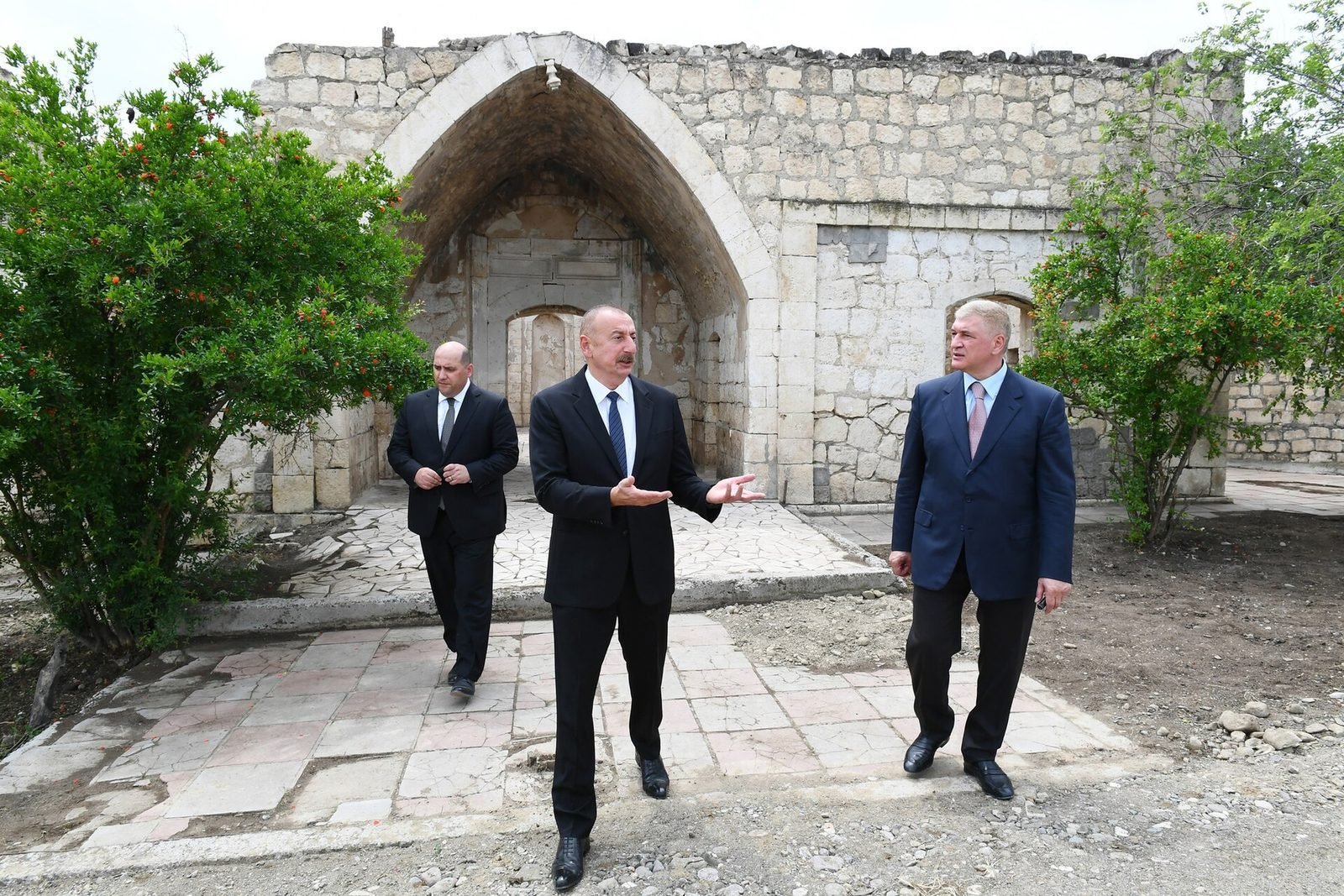
After November 2020 Aghdam became one of the country’s great construction projects. A master plan was adopted; quarters, roads and utilities were laid out; the Juma Mosque was restored first.

Aghdam is conceived as a “smart city” with modern infrastructure and an industrial park. Those who remember it as it was are gradually returning — along with their children, who know the city only from stories.

Revival →

Questions & answers

Aghdam in brief

Where is Aghdam?
Aghdam is a city in western Azerbaijan, at the eastern foot of the Karabakh range and the centre of the Aghdam district. Before the war it was one of the largest cities of Karabakh.
What happened to the city in 1993?
In July 1993, during the First Karabakh War, Armenian forces seized the city and almost all of its population became refugees. In the years that followed Aghdam was almost completely destroyed.
Why was Aghdam called the “Hiroshima of the Caucasus”?
Because of the scale of destruction — entire quarters were razed to the ground — journalists compared the emptied city to Hiroshima. Aghdam became one of the world’s best-known ghost towns.
When did Aghdam return under Azerbaijani control?
The Aghdam district returned under Azerbaijani control on 20 November 2020, following the Second Karabakh War and the trilateral agreement of 10 November 2020; the district was handed over without fighting.
What is left of old Aghdam?
The best-preserved structure is the Juma Mosque (1868–1870) with its two minarets — it survived among the ruins and has been restored. Of most residential quarters, the theatre and the Bread Museum only ruins remain.
What is happening in Aghdam today?
Today Aghdam is one of the country’s largest construction sites: the mosque has been restored, a master plan adopted, housing and infrastructure are being built, and an industrial park is under way. The city is designed as a “smart city” to which residents are returning.