Once
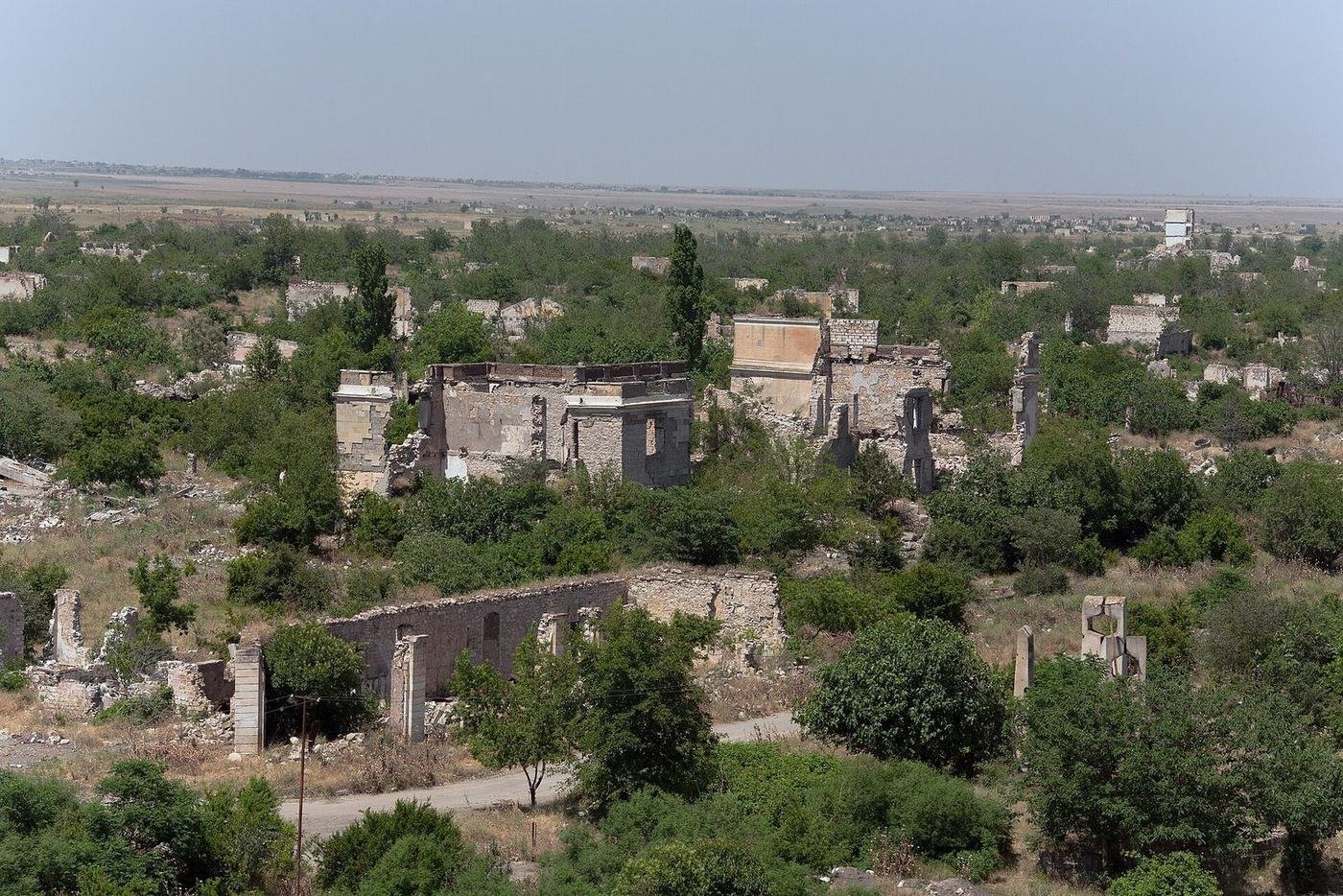
A city on the Karabakh plain
Aghdam grew on a fertile plain at the eastern foot of the Karabakh range, at the crossing of trade routes. Its name is often translated as “white roof”, after the pale stone of local buildings. By the 19th century it was already a notable settlement, and in Soviet times a major district centre.
The city lived on agriculture and industry: it had wine and cannery plants, and a railway ran through Aghdam. But its fame came not from factories but from culture — theatre, music and unique museums.
Timeline
A century and a half of life
 Bread Museum
Pride of the city
Theatre, museums and horses
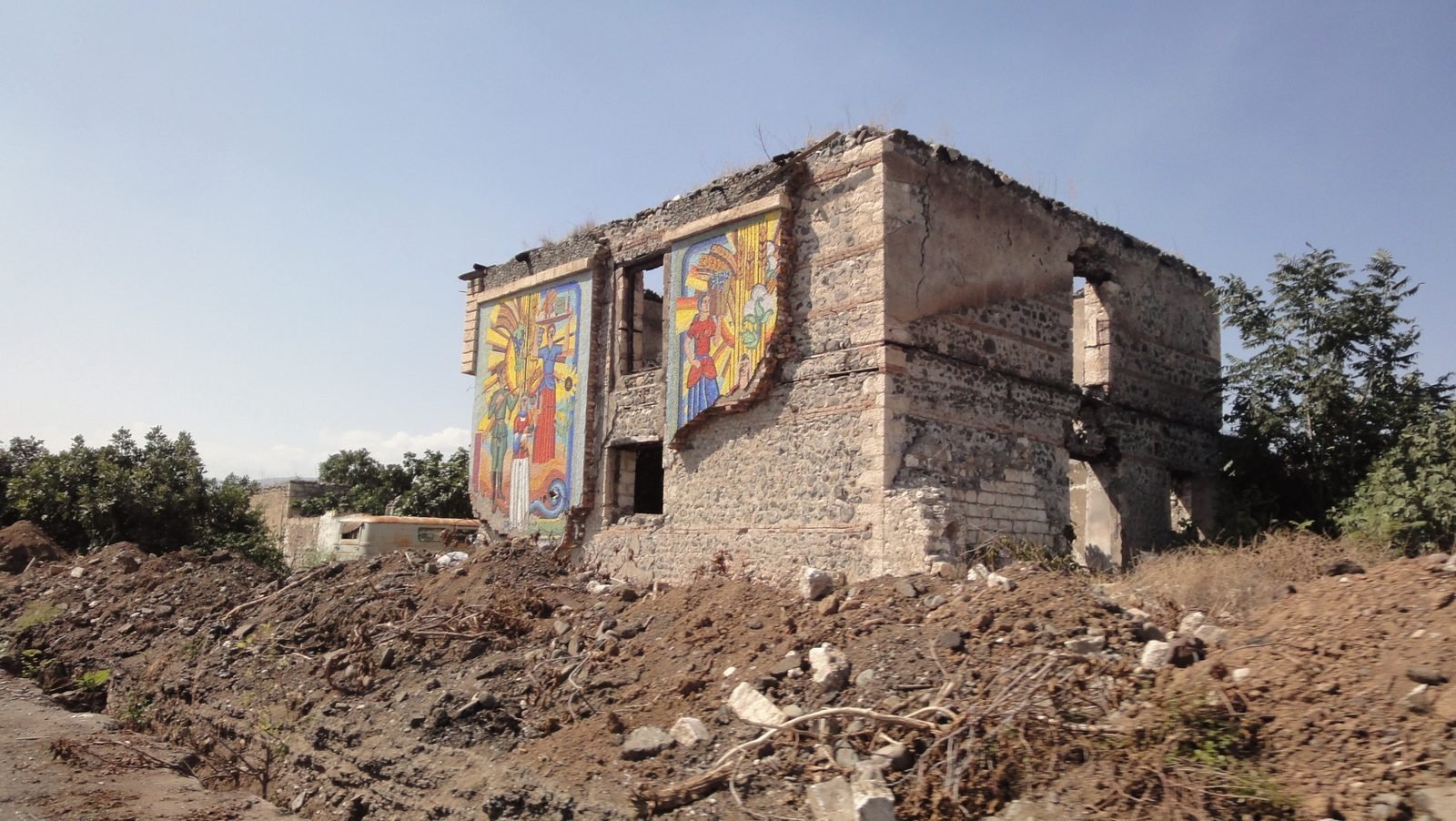
Aghdam’s Bread Museum, opened in 1983 in an old mill, told the story of grain and bread from antiquity to the present day. There are only a handful of such museums in the world.
The city had a state drama theatre, and at its racecourse Karabakh horses were bred — an ancient breed that became a symbol of the region. All of this made Aghdam the cultural capital of Karabakh.